Security screening has evolved rapidly — but one challenge remains constant:
Human limitations.
As screening volumes increase and threats become more sophisticated, relying solely on manual inspection creates serious performance gaps. Studies in visual inspection environments suggest that human detection accuracy can decline significantly over time, especially under repetitive and high-pressure conditions.
This raises a critical question:
Can human judgment alone meet the demands of modern security environments?
What Is the Difference Between Human and Automated Screening?
Human screening relies on manual observation and decision-making, while automated screening uses technology to detect, analyze, and flag potential threats.
The key difference lies in:
- Consistency vs variability
- Speed vs limitation
- Automation vs cognitive effort
Human-Based Screening: Strengths and Limitations
Human operators remain an essential part of the screening process.
Strengths
- Contextual understanding of situations
- Flexibility in handling unusual cases
- Ability to make judgment-based decisions
Limitations
- Fatigue during prolonged monitoring
- Inconsistent decision-making
- Slower processing speed
- Higher probability of oversight
Human performance varies depending on workload, stress, and time on task.
Automated Screening Systems: Capabilities and Advantages
Automated systems are designed to overcome the limitations of manual inspection.
Key Advantages
- Consistent performance without fatigue
- Faster processing speed
- High accuracy in pattern detection
- Ability to handle large volumes efficiently
These systems operate with predictable and stable output, making them highly reliable in demanding environments.
Where Machines Clearly Outperform Humans
1. Consistency in Detection
Machines apply the same logic across every scan.
Result:
- No variation
- Reliable outcomes
2. Speed and Throughput
Automated systems can process significantly more items per hour.
Result:
- Faster screening
- Reduced congestion
3. Lower Error Rates Under Pressure
Unlike humans, machines are not affected by fatigue or stress.
Result:
- Fewer missed detections
- Higher accuracy over time
4. Performance in High-Volume Environments
Machines maintain efficiency even during peak load.
Result:
- Stable operation
- No performance drop
Where Humans Still Add Critical Value
Despite technological advancements, human involvement remains essential.
1. Final Decision Validation
Humans verify and interpret system alerts.
2. Handling Complex or Ambiguous Cases
Certain scenarios require contextual judgment beyond system logic.
3. Monitoring and System Oversight
Operators ensure systems function correctly and respond to anomalies.
This highlights a key principle:
The goal is not replacement — it is enhancement of human capability through technology.
Real-World Scenario: Performance Under Pressure
In high-traffic screening environments:
- Manual inspection slows processing
- Human fatigue reduces accuracy
- Automated systems maintain speed and consistency
Result:
- Improved throughput
- Reduced operator burden
- Higher detection reliability
Why a Hybrid Approach Delivers the Best Results
The most effective security systems combine:
- Machine efficiency for detection
- Human judgment for validation
This hybrid model ensures:
- Accuracy
- Speed
- Reliability
Role of Advanced Technology in Modern Screening
Modern systems are built to enhance both precision and efficiency.
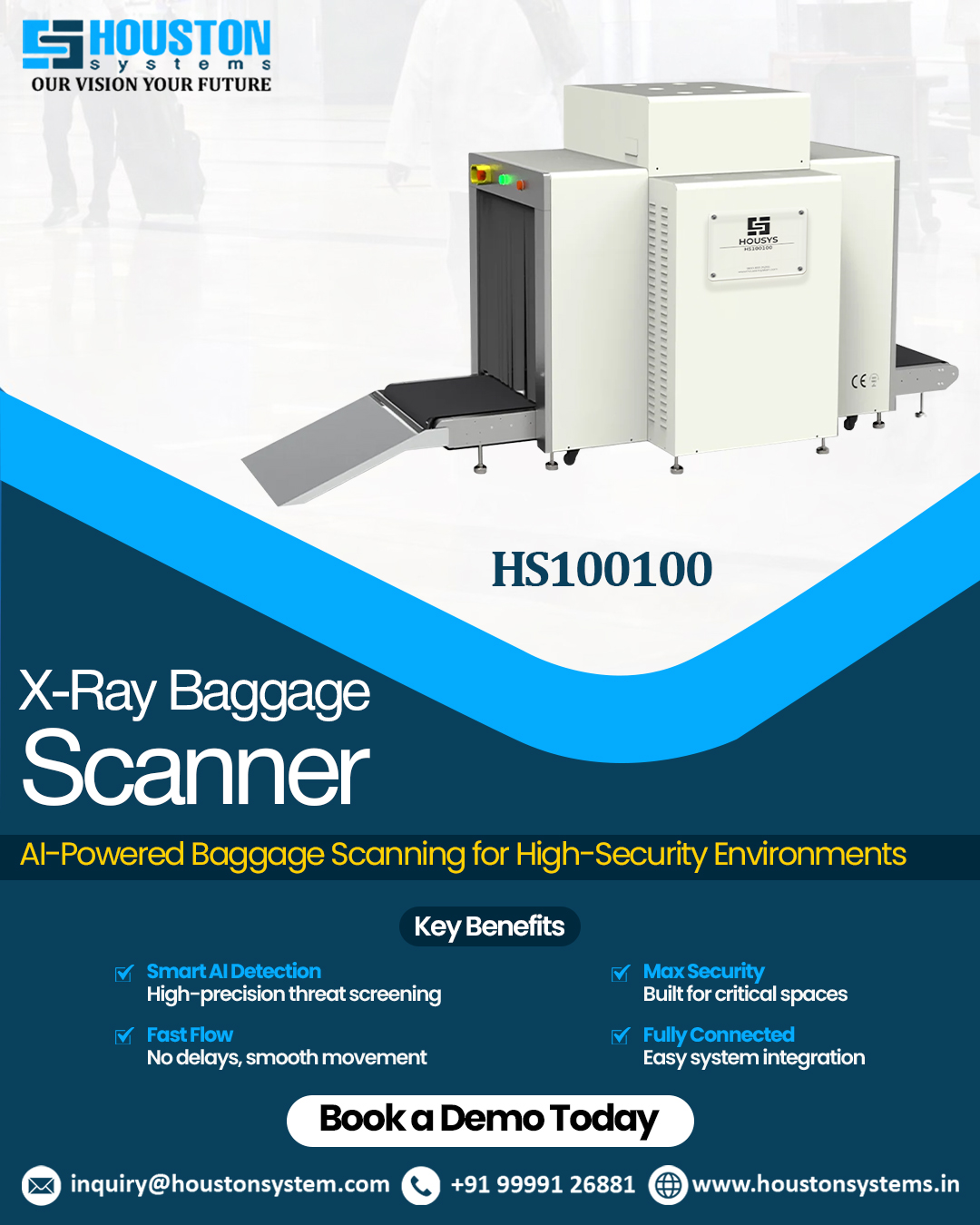
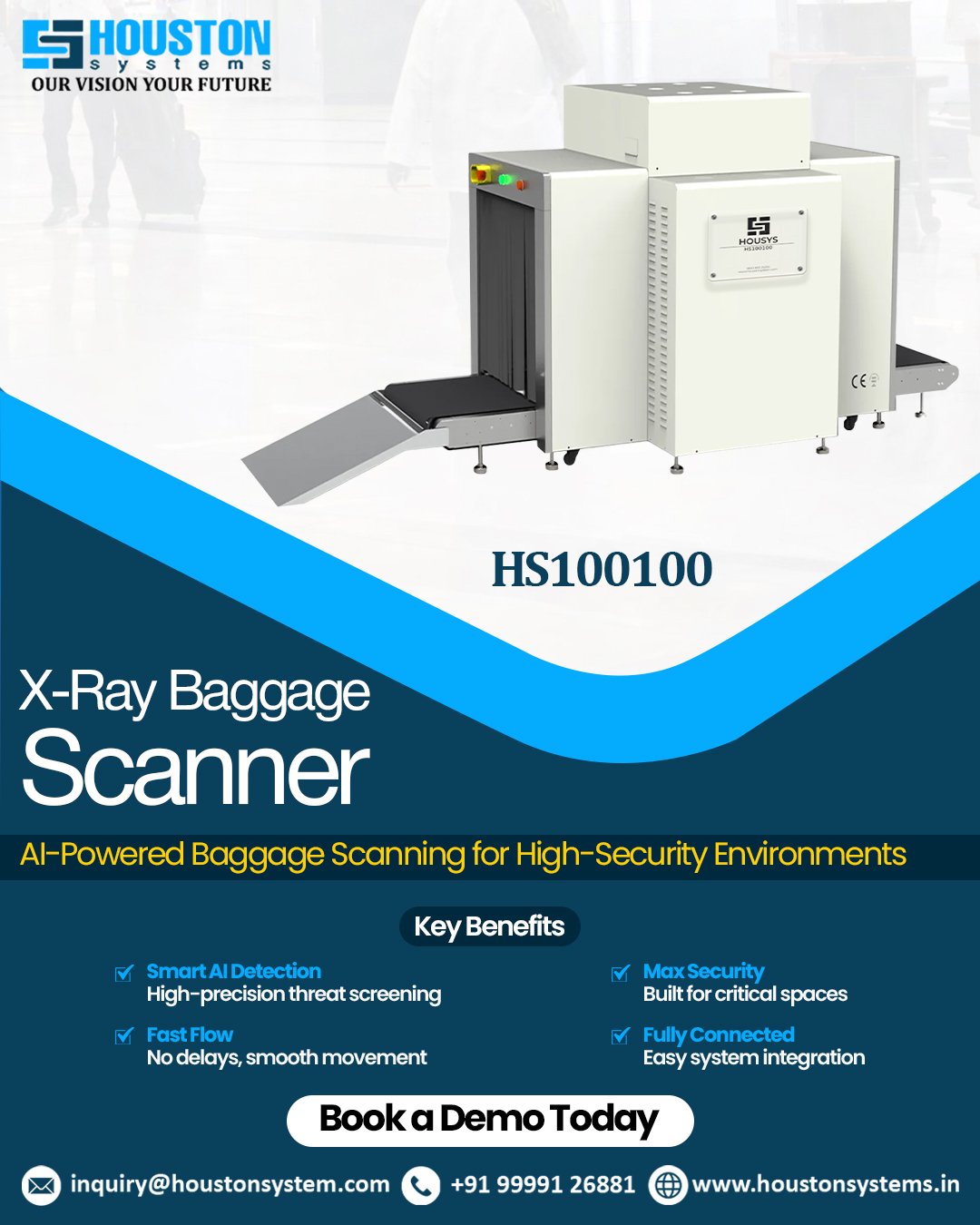
Advanced baggage scanner systems offer:
- Automated detection assistance
- High-resolution imaging
- Consistent performance under load
Implementing a reliable x ray baggage scanner machine significantly improves detection accuracy, reduces human dependency, and ensures consistent screening outcomes.
Key Takeaways
- Human screening offers flexibility but has limitations
- Automated systems provide consistency, speed, and accuracy
- Machines outperform humans in high-volume and repetitive tasks
- Humans remain essential for validation and complex decisions
- Hybrid systems deliver optimal performance
Frequently Asked Questions
Are automated systems more accurate than human inspectors?
Automated systems provide consistent and precise detection, especially in high-volume environments, but human validation remains important.
Can machines replace human screening completely?
No, machines enhance performance but still require human supervision and decision-making.
Why is a hybrid approach important?
Combining machine efficiency with human judgment ensures both accuracy and adaptability in security screening.
Quick Summary
Machines outperform humans in speed, consistency, and handling large volumes, while humans provide judgment and adaptability. Together, they create a more efficient and reliable security system.
Conclusion
Security screening is no longer just a manual process — it is a technology-driven system supported by human expertise.
Organizations that combine automation with human intelligence achieve higher accuracy, better efficiency, and stronger security outcomes.